Recent Post

Life Is Strange Shoot Frank Choice Outcomes and Consequences ...
In Life Is Strange, players encounter a pivotal moment in Episode 2 at the junkyard when confronting the local drug dealer, Frank Bowers. Holding David's gun, Max Caulfield faces an intense decision: attempt to pull the trigger or hold back. This crucial choice carries immediate consequences and alters the dynamic between Max, Chloe, and Frank across subsequent episodes.
Immediate Consequences of Pulling the Trigger
Choosing to shoot Frank reveals that the gun is empty, resulting in a tense moment where Frank takes the weapon from Max. Although no physical harm occurs, Frank retains David's gun and leaves Max and Chloe in a vulnerable position. Chloe expresses relief and approval that Max was willing to stand up for her in a dangerous confrontation.
This outcome changes how weapon ownership unfolds in later chapters of the game. Because Frank disarms Max, the gun ends up inside his RV in Episode 3, giving players a chance to reclaim it later.
What Happens If You Refuse to Shoot
Deciding not to shoot Frank leads to a different interaction where Frank easily disarms Max without resistance. Frank takes the gun and warns Chloe about her debt before walking away safely. Chloe feels disappointed by Max's hesitation, expressing frustration through text messages after the incident.
Choosing restraint avoids escalating immediate violence but alters character relationships. It shapes how Max handles high-pressure conflicts throughout her journey in Arcadia Bay.
Long-Term Impact on Episode 4 Confrontation
The junkyard choice ripples into Episode 4 during the tense standoff outside Frank's RV. If Frank took the gun earlier, he wields a knife instead during this encounter unless other factors intervene. Having or lacking firearms during this scene drastically alters the potential outcomes, ranging from peaceful negotiation to injury or death.
Carefully managing dialogue options can calm Frank down regardless of past choices. Achieving a peaceful resolution opens up deeper narrative choices and allies Max with Frank in finding answers about Rachel Amber.
Navigating the Best Narrative Path
Neither choice results in an immediate game over, but each shapes the emotional landscape of the story. Players looking to maintain trust with Chloe often lean toward shooting, while those aiming to avoid aggression choose restraint. Understanding these mechanics allows players to tailor their story while managing consequences effectively.
Ultimately, Max's ability to rewind time provides room for trial and error throughout her journey. Reviewing your decisions helps ensure you reach your desired ending with minimal casualties.

Life Is Strange Shoot Frank Choice Outcomes and Consequences ...
In Life Is Strange, players encounter a pivotal moment in Episode 2 at the junkyard when confronting the local drug dealer, Frank Bowers. Holding David's gun, Max Caulfield faces an intense decision: attempt to pull the trigger or hold back. This crucial choice carries immediate consequences and alters the dynamic between Max, Chloe, and Frank across subsequent episodes.
Immediate Consequences of Pulling the Trigger
Choosing to shoot Frank reveals that the gun is empty, resulting in a tense moment where Frank takes the weapon from Max. Although no physical harm occurs, Frank retains David's gun and leaves Max and Chloe in a vulnerable position. Chloe expresses relief and approval that Max was willing to stand up for her in a dangerous confrontation.
This outcome changes how weapon ownership unfolds in later chapters of the game. Because Frank disarms Max, the gun ends up inside his RV in Episode 3, giving players a chance to reclaim it later.
What Happens If You Refuse to Shoot
Deciding not to shoot Frank leads to a different interaction where Frank easily disarms Max without resistance. Frank takes the gun and warns Chloe about her debt before walking away safely. Chloe feels disappointed by Max's hesitation, expressing frustration through text messages after the incident.
Choosing restraint avoids escalating immediate violence but alters character relationships. It shapes how Max handles high-pressure conflicts throughout her journey in Arcadia Bay.
Long-Term Impact on Episode 4 Confrontation
The junkyard choice ripples into Episode 4 during the tense standoff outside Frank's RV. If Frank took the gun earlier, he wields a knife instead during this encounter unless other factors intervene. Having or lacking firearms during this scene drastically alters the potential outcomes, ranging from peaceful negotiation to injury or death.
Carefully managing dialogue options can calm Frank down regardless of past choices. Achieving a peaceful resolution opens up deeper narrative choices and allies Max with Frank in finding answers about Rachel Amber.
Navigating the Best Narrative Path
Neither choice results in an immediate game over, but each shapes the emotional landscape of the story. Players looking to maintain trust with Chloe often lean toward shooting, while those aiming to avoid aggression choose restraint. Understanding these mechanics allows players to tailor their story while managing consequences effectively.
Ultimately, Max's ability to rewind time provides room for trial and error throughout her journey. Reviewing your decisions helps ensure you reach your desired ending with minimal casualties.

Elden Ring HDR Washed Out: Display Settings and Fixes ...
Players venturing through the Lands Between often expect breathtaking visuals, but encountering an Elden Ring HDR washed out display can instantly ruin the immersive experience. When High Dynamic Range fails to trigger properly, colors appear faded, contrast drops dramatically, and dark areas lose their depth. Understanding why this handshaking issue occurs between Windows and the game engine is the first step toward restoring proper visual fidelity.
Understanding Why HDR Appears Washed Out
The primary reason for greyed-out or flat visuals is a miscommunication during the HDR signal handshake between the operating system and the display device. When Elden Ring launches, it may fail to signal the monitor to switch to full HDR mode, resulting in standard dynamic range content being stretched across an active HDR container. Tabbing out of the application or running improper resolution configurations can also force the game into a limited color output profile.
Adjusting In-Game and System Display Settings
To establish a clean visual baseline, players should ensure that Windows HDR is toggled on prior to launching the title. Within the game options, toggling between fullscreen and borderless windowed mode can often force the engine to re-detect display capabilities correctly. Adjusting the in-game brightness slider after enabling native HDR allows players to balance highlight saturation and preserve shadow details across varied environments.
GPU Control Panel Fixes and Driver Resets
Graphics card settings play a crucial role in maintaining correct color depth and prevent full RGB range truncation. PC gamers using NVIDIA or AMD hardware should open their respective control panels to confirm that output color depth is set to 10-bit or higher with full dynamic range selected. If the image suddenly loses vibrancy during gameplay, restarting the display driver using the key combination Ctrl, Shift, Windows, and B can instantly resolve the glitch without closing the application.
Calibrating Display Profiles for Best Results
Proper monitor calibration prevents highlights from becoming overexposed while maintaining rich dark tones in subterranean areas. Utilizing the official Windows HDR Calibration tool enables the system to communicate exact peak luminance values directly to the game software. Taking the time to properly calibrate monitor settings ensures that every realm in the game exhibits vibrant lighting and rich atmospheric contrast.

Atomic Heart Hospital Door Code and How to Open It ...
Navigating through the eerie corridors of the Pavlov Complex in Atomic Heart presents players with some of the game's most intricate environmental puzzles. Among these encounters, the locked infirmary door inside the hospital area frequently leaves players searching for clues. Unlocking this optional door rewards thorough exploration with valuable crafting materials and ammunition hidden within supply chests.
Locating the Hospital Ward in the Pavlov Complex
To begin solving this puzzle, players must venture into the lower levels of the Pavlov Complex structure. After clearing out hostile forces in the area, follow the path leading down toward the basement ward rooms. You will recognize the correct vicinity by a room featuring an active fire across from a destroyed wall section.
Entering this lower floor requires caution as dangerous enemies often lurk around the corridors. Ensuring the surrounding area is fully cleared allows you to examine the environment without unexpected combat interruptions. Once secure, position your character near the hospital ward curtains facing the damaged wall.
Discovering the Hidden Perspective Pattern
Unlike standard door puzzles that rely on written notes or chalkboards, this hospital lock uses environmental perspective alignment. By standing behind a specific hospital curtain and looking through the wall opening, several bloody handprints and wall markings line up. This visual trick aligns separate markings into a single cohesive combination pattern.
Adjusting your camera angle is critical to seeing the complete input pattern clearly. The resulting shape forms a distinct arrangement of illuminated dots corresponding to the lock interface. Memorizing this key layout allows you to return upstairs and input the combination correctly.
Inputting the Combination and Claiming Rewards
With the visual pattern aligned, head back to the locked office door on the upper level. Interact with the light-based combination lock interface attached to the doorframe. Press the specific buttons on the keypad grid that match the bloody circle positions seen in the lower ward.
Once all correct nodes are toggled, the door mechanism will click open immediately. Inside the newly accessible room, players can loot multiple high-tier resource containers. These materials are essential for upgrading weapons and enhancing survival gear for future challenges.
P3R How Many Floors In Tartarus And How The Massive Dungeon Is Structured ...
In Persona 3 Reload, Tartarus stands as the central labyrinth that players must conquer throughout their academic year at Gekkoukan High School. Rising during the mysterious Dark Hour, this massive tower serves as the primary location for combat, grinding, and story progression. Understanding how many floors exist and how the dungeon is organized is essential for managing your calendar efficiently.
Total Floor Count in Persona 3 Reload
The main tower of Tartarus in Persona 3 Reload consists of 264 floors in total, culminating in the final confrontation at the summit. Players cannot explore the entire labyrinth at once, as full progress is gated behind story milestones throughout the calendar. As you advance through each month, new block barriers disappear to allow further ascension.
Reaching the top floor requires consistent exploration whenever free nights are available during the Dark Hour. Preparing your party with proper gear and elemental versatility ensures steady progress without running into sudden level spikes. Dividing your exploration into manageable trips helps keep your team fresh for daytime social links.
Understanding the Block Structure
Tartarus is divided into distinct thematic sections known as Blocks, each featuring unique visual designs, music, and Shadow populations. The main blocks include Thebel, Arqa, Yabbashah, Tziah, Harabah, and Adamah, each increasing significantly in difficulty. Every block introduces stronger enemies with complex weaknesses, forcing players to continually adapt their battle strategies.
As you transition from one block to the next, environmental aesthetics change dramatically from dreary halls to surreal cosmic corridors. The layout within individual floors is procedurally generated, meaning floor plans shift upon every revisit. This dynamic generation keeps exploration engaging while providing fresh opportunities to collect treasure chests and rare materials.
Gatekeepers and Border Floors
Ascension through Tartarus is frequently halted by powerful mini-bosses known as Gatekeepers stationed on specific border floors. These challenging encounters test your tactical awareness, requiring precise positioning and smart utilization of elemental weaknesses. Defeating a Gatekeeper clears the way to higher levels and often unlocks valuable teleportation checkpoints.
Teleporters located at major checkpoints allow players to return directly to the entrance lobby to recover, swap party members, or fuse new Personas. Utilizing these warp points efficiently saves significant time when returning to the dungeon on subsequent nights. Strategic use of checkpoints ensures you never lose valuable progress after tough encounters.
Monad Passages and Rare Floor Features
Beyond the standard floors, Persona 3 Reload introduces specialized areas such as Monad Doors and Monad Passages. These optional high-difficulty zones offer formidable combat challenges in exchange for rare fusion materials, major Tarot cards, and high-tier equipment. Venturing into these passages tests the absolute limits of your combat preparation.
Additionally, players will occasionally encounter rare floor variants during their climb through the tower. Some floors feature dense clusters of Shadow enemies, higher concentrations of rare gold Shadows, or abundant treasure chests. Recognizing these special floor conditions allows players to maximize experience gains and gather substantial money before returning to real-world routines.

Can You Buy Lottery Tickets With Card: Understanding Card Payment Restrictions ...
Many lottery participants prefer the convenience of using credit or debit cards when purchasing tickets at retail stores or online platforms. However, buying lottery entries with plastic is not always as simple as swiping at a checkout counter due to strict state laws and financial regulations. Understanding why these restrictions exist can help consumers navigate payment processing rules without facing unexpected transaction failures or extra bank fees.
State Regulations and Retailer Payment Rules
Government lotteries operate under specific statutory guidelines that dictate which payment methods authorized retailers are permitted to accept. While some jurisdictions allow debit card transactions because they draw directly from available checking funds, many explicitly prohibit credit card purchases for gambling products. State regulators implement these barriers primarily to promote responsible gaming and prevent consumers from incurring high-interest debt.
Even in states where card transactions are legally permissible, individual retail outlets reserve the right to establish their own store policies. Merchant processing agreements often impose transaction fees on retailers, making small card purchases for lottery tickets financially impractical. Consequently, cash remains the most universally accepted payment method across physical lottery terminals nationwide.
The Classification of Cash Advance Transactions
When financial institutions permit credit card usage for lottery purchases, the transaction is rarely processed as a standard retail sale. Major card issuers typically classify lottery ticket orders as cash equivalents, automatically triggering cash advance terms. This means cardholders face immediate cash advance fees along with higher interest rates that begin accruing on the day of purchase without a grace period.
Online gaming platforms and official lottery mobile applications face similar processing rules enforced by international banking networks. Players looking for seamless digital access often search for secure portals like m88 asia login to review available payment options before initiating transfers. Checking account terms beforehand ensures that users avoid unexpected billing surprises or declined transactions.
Debit Cards vs Credit Cards for Lottery Purchases
Debit cards generally face fewer regulatory hurdles than credit cards because the funds are immediately deducted from the user's bank balance. Regulators view debit transactions similarly to cash since consumers cannot spend beyond their current financial capabilities. However, some financial institutions still block lottery-related debit payments if their internal anti-fraud filters flag the merchant category code.
Consumers who rely on debit cards should also remain mindful of daily spending limits enforced by their banking providers. If a player attempts a large transaction or buys multiple tickets during high-jackpot drawings, the bank may temporarily freeze card activity until identity verification is completed. Contacting bank customer support beforehand can help clarify specific policies regarding gaming purchases.
Best Practices for Buying Lottery Tickets Safely
To avoid processing delays and extra financial penalties, planning your payment method in advance is highly recommended. Carrying sufficient cash for physical ticket purchases eliminates the risk of store rejections or unexpected bank surcharges. If you prefer digital purchases, using direct electronic bank transfers or verified e-wallets provides a more reliable alternative.
Always review your credit card agreement to understand how your card issuer categorizes gaming and lottery transactions. Staying informed about local regulations and banking rules ensures a smooth, stress-free experience while keeping your personal finances well protected.

Closing Line Value Sports Betting Definition Understanding a Key Metric for Betting Analysis ...
Closing Line Value, often abbreviated as CLV, is one of the most critical concepts for evaluating long-term success in sports betting. It measures the difference between the odds a bettor secures when placing a wager and the final odds available right before the event begins. Understanding this metric allows analysts and bettors to determine whether their strategy beats the market consensus consistently.
The Core Definition of Closing Line Value
The closing line represents the final set of odds offered by sportsbooks right before a game begins. Because it absorbs all market information, injury updates, and sharp money, the closing line is widely considered the most accurate reflection of an event's true probability.
Securing odds that offer a higher payout than the final closing line means you have generated positive Closing Line Value. Over a large sample size, consistently beating the closing line strongly correlates with long-term profitability in sports wagering.
Why the Closing Line Is Considered Efficient
Sportsbooks adjust their betting lines continuously leading up to game time based on incoming wagers and key news. As kickoff or tip-off approaches, high-volume betting from professional analytical groups forces the line into its most efficient state.
Because the market becomes smarter as time passes, early lines often contain pricing errors or inefficiencies. Identifying these early opportunities allows analytical bettors to lock in favorable point spreads or moneyline prices before the market corrects itself.
How to Calculate and Track CLV
Tracking CLV requires recording the exact odds you placed and comparing them directly to the final closing odds. If you bet a team at +3.5 and the line closes at +2.5, you secured a full point of valuable margin that increases your winning probability.
Bettors who analyze digital platforms or alternative gaming hubs like boss toto alternatif often emphasize tracking statistical performance metrics over short-term results. Evaluating your average CLV percentage provides a far better indicator of skill than simple win-loss records, which can be heavily skewed by short-term variance.
Using CLV to Improve Betting Analysis
Incorporating Closing Line Value into your routine shifts your focus from outcome-based bias to process-oriented decision making. A winning bet made at bad odds is often just lucky, whereas a losing bet placed with strong CLV reflects sound analytical process.
By consistently measuring your wagers against the sharpest bookmakers, you can refine your predictive models and identify which sports or markets yield your highest edge. Over time, prioritizing closing line value ensures a disciplined, data-driven approach to sports betting analysis.

4 Digit Lottery Number For Death Cultural Beliefs And Interpretations ...
Across many global traditions, numbers carry deep symbolic meanings that influence daily life, personal choices, and even gambling habits. When players select combinations for 4D games, cultural beliefs regarding mortality and life cycles often shape their choices. Understanding how different societies view death-related numerical values provides fascinating insight into human psychology and traditional folklore.
Linguistic Origins of Tetraphobia
In several East Asian cultures, the number four is widely avoided due to linguistic homophonies with the word for death. In languages such as Mandarin, Cantonese, Japanese, and Korean, the pronunciation of four closely mimics the word signifying mortality. This phonetic similarity creates a psychological reluctance to use four in daily life, extending to building floors, phone numbers, and lottery picks.
Despite this widespread superstition, some lottery players deliberately select digit combinations containing four to test their luck against traditional fears. They view the taboo as an opportunity, believing that underutilized sequences might break conventional superstition. This counter-intuitive approach highlights how cultural perceptions can lead to opposing gaming strategies.
Dreams and Spiritual Interpretations in 4D Games
In many Southeast Asian traditions, dreaming of a deceased relative or a funeral is not seen as a bad omen, but rather as a potential source of fortune. Cultural dream dictionaries often translate specific visions of mortality into four-digit lottery combinations. Believers carefully analyze the details of their dreams to extract digits that they hope will bring unexpected prosperity.
Many players search for convenient ways to track their preferred combinations and check regional draws directly from their smartphones. Utilizing platforms like m88 app download allows users to access digital features and monitor outcomes efficiently. This combination of ancient dream interpretations and modern technology shows how traditional beliefs adapt to modern digital environments.
Numerology and Transmutation of Bad Omens
In Western numerology and esoteric traditions, numbers associated with endings or transformation are rarely viewed purely as negative signs. Death in symbolic frameworks often represents the closure of one chapter and the initiation of a new beginning. Consequently, four-digit sequences tied to major life transitions are sometimes chosen as symbols of renewal.
Transforming perceived bad luck into positive outcomes is a common thematic element across various global gaming communities. Players often select dates connected to historical events or personal milestones to build meaningful four-digit selections. By reframing morbid associations into symbols of rebirth, individuals derive personal meaning from their chosen numbers.
The Psychology Behind Selecting Taboo Numbers
Psychologists note that human beings naturally search for patterns and meaning in random chance events like lottery draws. When individuals attach cultural narratives to numbers, it creates a sense of personal connection and perceived control over the outcome. Whether a player avoids or actively selects numbers associated with death, the underlying motivation stems from cultural storytelling.
Ultimately, 4D lottery numbers remain completely random mathematical events governed entirely by probability. However, the rich tapestry of traditions, linguistic associations, and spiritual interpretations continues to make number selection a deeply cultural activity. Embracing these perspectives offers a unique glimpse into how ancient beliefs persist in contemporary culture.

Why Speed Baccarat Appeals To Players Who Prefer Faster Rounds ...
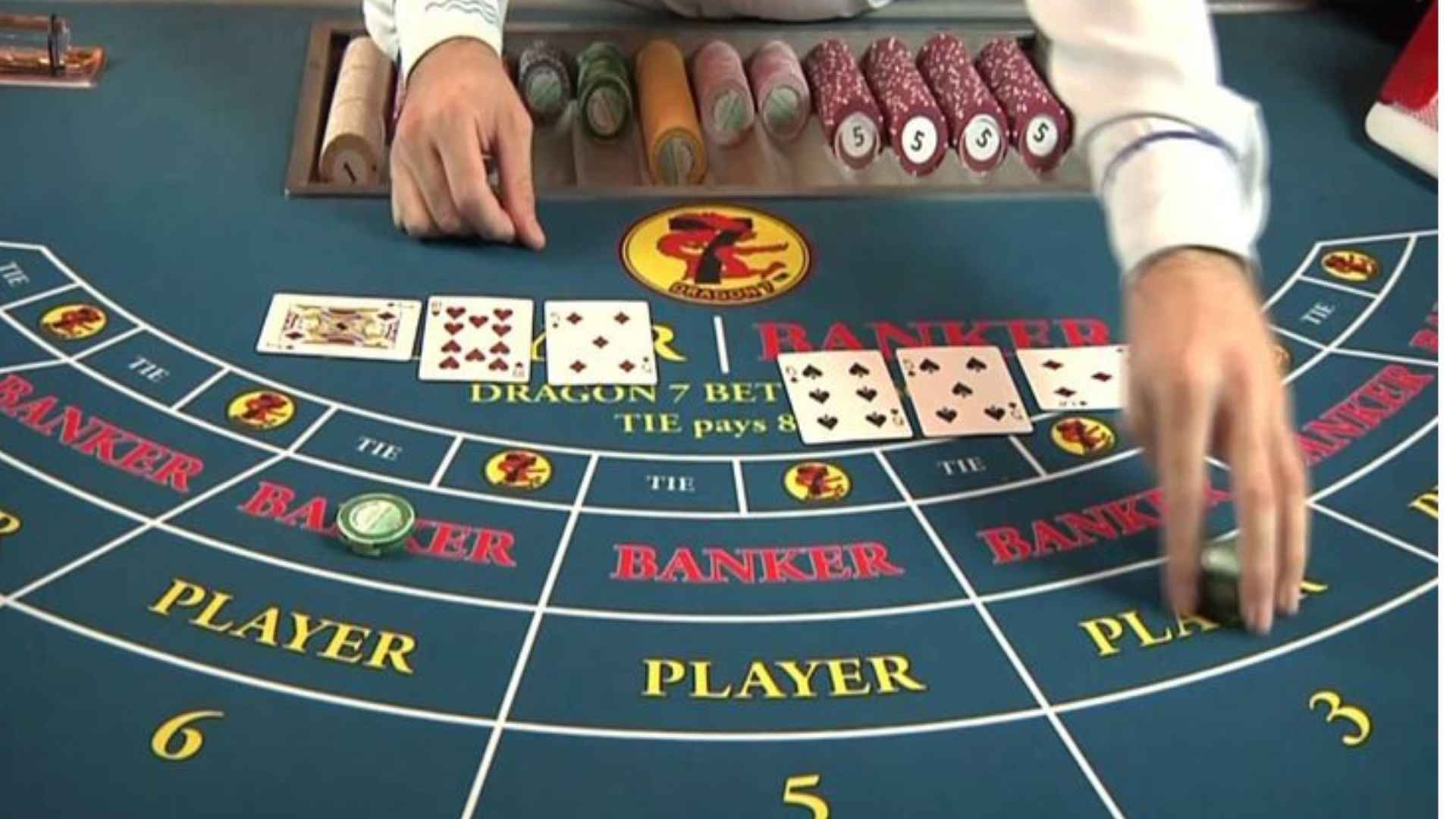
Modern casino enthusiasts increasingly gravitate toward gaming formats that offer rapid results and continuous action. Speed Baccarat directly addresses this preference by significantly shortening the interval between placing bets and seeing card outcomes. For individuals seeking an energetic session, this accelerated pace transforms the traditional card table experience into a sleek, highly efficient format.
Eliminating Downtime for Maximum Session Efficiency
Traditional baccarat allows extended intervals for players to contemplate wagers and watch dealers reveal cards slowly. In contrast, rapid variants compress betting windows to mere seconds, ensuring that hands transition seamlessly into one another. This streamlined flow allows participants to enjoy significantly more hands within a limited timeframe.
By removing unnecessary pauses, the game maintains a steady momentum that keeps players actively engaged throughout their session. Players who access their favorite platforms via m88 link login appreciate how this dynamic structure aligns with fast-paced online gaming preferences. The reduced waiting time ensures that every minute spent at the table is filled with active play.
Simplified Gameplay Mechanics Without Added Complexity
Despite the accelerated speed, the core rules of the game remain entirely faithful to standard baccarat principles. Card values, drawing rules, and hand calculations operate identically, eliminating the need for players to learn complex new mechanics. The primary adjustment lies purely in decision-making speed rather than strategy.
Because dealing protocols are fixed, players do not need to make tactical choices after cards are distributed. The automated nature of baccarat drawing rules makes it naturally suited for high-speed execution. This allows participants to enjoy rapid gameplay without increasing mental strain or tactical confusion.
Tailored for Short and Focused Gaming Sessions
Speed Baccarat fits exceptionally well into busy modern routines where long, uninterrupted gaming periods are rare. Players can easily complete multiple rounds during short breaks or free moments throughout the day. This flexibility makes it a practical option for casual gaming on mobile devices.
Focused sessions also make it easier for players to track their limits and manage playing time effectively. Shorter bursts of activity reduce the risk of fatigue, helping individuals maintain sharp concentration. As a result, players can enjoy an intense experience without committing extended hours to the table.
Sustaining Focus and Discipline at Faster Tables
While the rapid turnover delivers heightened excitement, it also requires disciplined financial management. Because hands resolve quickly, maintaining pre-established betting boundaries is essential for a positive session. Structured play ensures that fast-moving rounds remain enjoyable and controlled.
Developing a consistent routine allows players to navigate rapid betting windows with complete confidence. Taking brief pauses between sessions helps maintain perspective and prevents hasty decision-making. By balancing speed with self-control, enthusiasts can fully appreciate the unique appeal of rapid baccarat play.

Hidden Reward Systems That Make Progression More Engaging ...
Modern interactive platforms rely heavily on thoughtful structural design to keep users motivated over extended periods. While explicit level counters and visible achievement bars set clear goals, undisclosed mechanisms often spark a deeper sense of curiosity. Incorporating surprise achievements and unlisted perks transforms standard advancement into a dynamic voyage of discovery.
The Psychology of Concealed Milestones
Human cognition responds powerfully to unexpected positive events during interactive activities. When an individual discovers an unannounced perk after mastering a complex mechanics, dopamine release increases significantly compared to scheduled outcomes. This natural psychological response keeps enthusiasm high and prevents routine tasks from feeling monotonous.
Furthermore, concealing certain outcomes encourages organic exploration over formulaic optimization. Users become motivated to experiment with non-traditional strategies simply to see what subtle responses the system might yield. This curiosity-driven engagement deepens intrinsic interest without forcing continuous linear grinding.
Designing Balanced Unseen Progression Loops
Integrating unannounced incentives requires careful consideration of player effort and expectation. If secret perks are too difficult to stumble upon, standard users may miss them entirely, rendering the effort ineffective. Conversely, making them overly obvious reduces the excitement of personal discovery.
Successful implementation often relies on subtle environmental cues or intuitive milestone triggers. For instance, digital platforms might quietly grant decorative titles or functional speed bonuses after a player achieves specific consistency streaks. Interested enthusiasts looking for accessible mobile gaming software can check out m88下载 to see modern interactive application features firsthand.
Sustaining Long Term Audience Retention
Maintaining high retention rates depends on providing continuous value past the initial learning phase. Traditional linear milestone tracks eventually reach an end, which can cause long-term participation to plateau. Hidden reward frameworks combat this fatigue by offering continuous novelty long after primary objectives are cleared.
When users realize that familiar environments still hold undisclosed surprises, their perception of the platform's depth increases. This sense of ongoing potential encourages regular visits and turns casual interactions into lasting habits. The excitement of uncovering unexpected value keeps standard play loops fresh.
Ethical Considerations in Surprise Mechanics
While dynamic incentive designs successfully drive ongoing participation, software creators must balance engagement with user fairness. Hidden incentives should always feel like genuine additions rather than manipulation tactics designed to exploit time investments. Maintaining transparency regarding core system integrity establishes long-term trust.
Providing clear foundational rules alongside occasional surprise elements creates a healthy interactive environment. Users feel respected when their time yields consistent growth backed by delightful, unexpected bonuses. This harmonious approach represents the gold standard for contemporary application development.
Semua artikel sudah ditampilkan.